Jun 28, 2025

The Paradox of Progress
Technology has always promised to make life easier. But in the hospitality world, ease has never been the goal—connection has. The restaurant business runs on instinct: the sense of timing between host and guest, the ability to read tone over the phone, the subtle awareness that a pause in a sentence means hesitation, not silence.
When voice AI entered the industry, the question wasn’t “Can it work?” It was “Should it?” And yet, in 2025, artificial intelligence has begun to occupy that space between logistics and empathy—between process and personality
The Human Core of Automation
The promise of AI in hospitality isn’t about replacement. It’s about restoration. In a world where staff shortages and rising costs have made personal service harder to maintain, automation can give human teams the space to be human again.
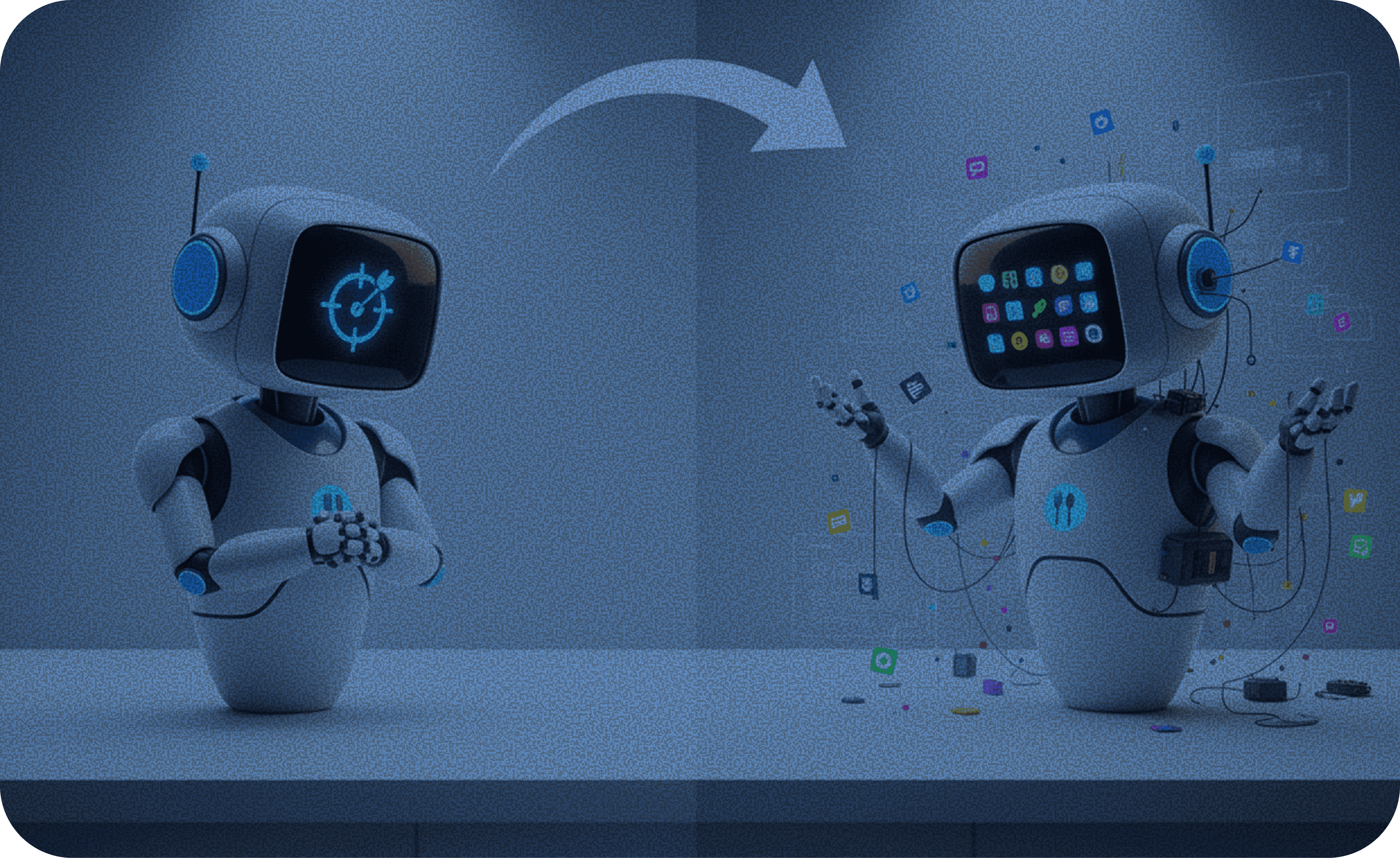
DineAI’s design philosophy starts there. Its AI receptionist, Sofie, doesn’t compete with front-of-house staff; she complements them. She handles the repetitive, the routine, and the relentless—so people can focus on the irreplaceable: warmth, attention, and presence
Technology With Taste
The challenge for any AI in a service environment isn’t technical—it’s tonal. Speech synthesis can mimic human sound, but intuition is harder to encode. Sofie was trained on thousands of real restaurant interactions, not scripts. She recognizes conversational rhythm: when to pause, when to confirm, and when to let silence signal understanding.
That’s not programming. That’s design empathy.
Where Culture Meets Code
AI development has historically been dominated by engineering logic—efficiency, precision, scalability. Hospitality runs on something messier: emotion, unpredictability, charm.
Bringing the two worlds together required a cultural shift, not just a technical one.
DineAI’s engineering team built its models with that contradiction in mind. They approached tone not as a side effect, but as a system variable—something that could be tuned, tested, and improved like latency or accuracy.
The result is AI that doesn’t just talk like us—it thinks about how we talk.
The Future of Intuitive AI
If the first decade of AI was about intelligence, the next will be about intuition. We’re moving toward systems that infer rather than instruct—AI that anticipates needs before they’re stated.
In the restaurant context, that means understanding context: a guest asking “Can I call back later?” may not want information—they want acknowledgment.
That kind of sensitivity is where DineAI is quietly pushing the industry forward: training AI to interpret emotion as input.
The Cultural Responsibility of Builders
As AI becomes woven into culture, companies like DineAI carry a responsibility that extends beyond performance metrics. They are shaping how humans perceive care in a digital age.
When technology becomes the voice of hospitality, tone becomes ethics. It’s not enough for automation to sound human—it must behave human. That’s what separates AI that serves from AI that simply operates
The Takeaway
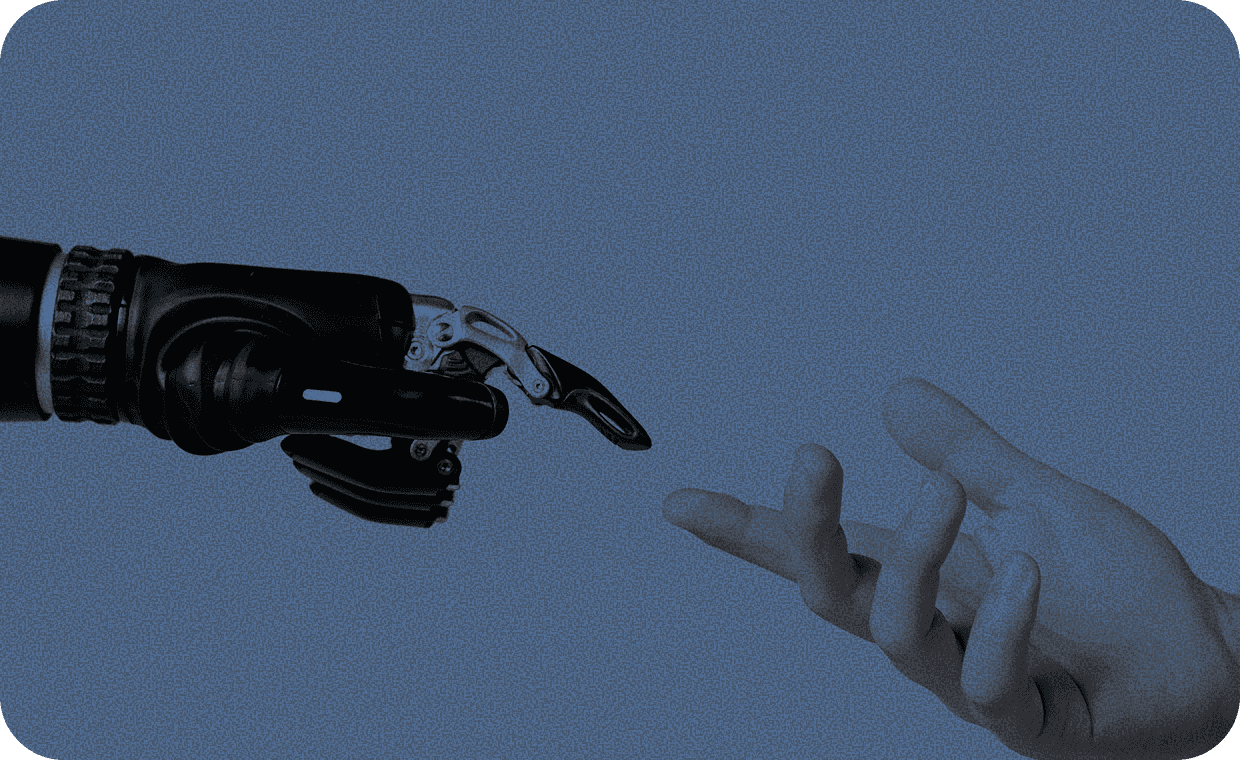
No, AI will never fully replace human intuition—and it shouldn’t. But in the right hands, it can preserve it.
By designing automation that respects the culture of service rather than replacing it, DineAI has proven that empathy can scale, and that the future of hospitality doesn’t belong to machines or people alone— it belongs to the partnership between them.